Casino Slots Autoplay: The features in this game are not overly complicated and players will enjoy the free spins bonus round where you can potentially get up to a whopping 180 free spins.
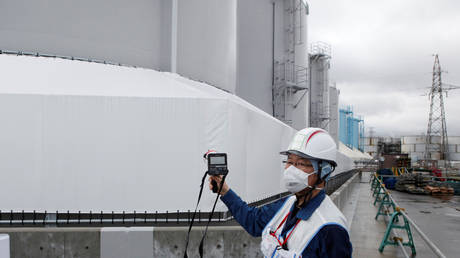
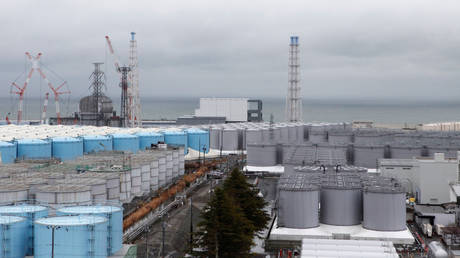
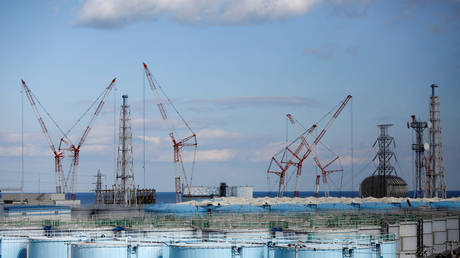
Beijing has called on Tokyo to put off a decision on dumping radioactive water from the Fukushima nuclear plant into the ocean until it has fully consulted its neighbors, claiming leakages have already had a profound impact.
Speaking on Friday, Chinese foreign ministry spokesman Zhao Lijian said Japan must adopt “a highly responsible attitude towards its own nationals, neighboring countries and the international community” when considering how to dispose of more than one million tons of radioactive water accumulated at the Fukushima nuclear plant.
The spokesman claimed that the leakage of radioactive materials into the ocean from the defuncted nuclear facility has already “had a profound impact on the marine environment, food safety and human health.”
Zhao called on Tokyo to engage in thorough consultations with neighboring countries and assess the possible impact of dumping the Fukushima nuclear power plant’s wastewater. Japan must conduct its dealings in an “open and transparent manner,” he added.
On Wednesday, after a meeting with Japanese Prime Minister Yoshihide Suga, the head of the National Federation of Fisheries Co-operative Associations, Hiroshi Kishi, claimed the PM said dumping Fukushima’s radioactive water into the ocean was “unavoidable.”
“The disposal of … treated water is unavoidable and experts have recommended that the release into the sea is the most realistic method that can be implemented. Based on these inputs, I would like to decide the government’s policy,” Kishi quoted Suga as saying after the meeting. The plan is strongly opposed by Japan’s fishing community as well as many international groups and neighboring governments.
In October, Greenpeace warned that radioactive water from Japan’s crippled Fukushima nuclear plant contains matter that could damage human DNA if discharged into the ocean. They also claimed that the wastewater, described as “treated” by the Japanese government, contains more radionuclides than just radioactive tritium.
Tokyo is yet to formally sign off on the controversial plan. In 2011, a 9.0-magnitude earthquake and a 15-meter tsunami hit Japan’s northeastern coast. The nuclear plant largely survived the earthquake, but the tsunami caused considerable damage; the subsequent meltdown was the worst nuclear disaster since Chernobyl in 1986.
Like this story? Share it with a friend!
Beijing has called on Tokyo to put off a decision on dumping radioactive water from the Fukushima nuclear plant into the ocean until it has fully consulted its neighbors, claiming leakages have already had a profound impact. Read Full Article at RT.com Read More
How the Pentagon’s top-brass generals burned the careers of subordinates but then pivoted to lucrative careers all while losing the wars they were supposed to be winning My new book, A Few Bad Men, details the mendacity and mad dishonesty of retired Marine General James “Mad Dog” Mattis. The fact that it was written by a […]
Via Revolver Tucker Carlson may have never served in the armed forces, but he’s still decisively winning a PR war against the U.S. military. That shouldn’t surprise anyone, of course. The U.S. military loses most of the wars it fights these days. During America’s long golden age as a country, the military typically abstained from […]
The Next Economic Crisis – Will Your Wealth Survive? Authored by Bruce Wilds via Advancing Time blog, The greatest wealth transfer in history has already begun and the next crisis will only accelerate the process. As the printing presses continue cranking out more and more money, looking forward to a time when the markets pause […]