Just days after reaching another record high, bitcoin, the world’s number one digital currency, saw a dramatic plunge of more than 15% – the biggest drop in more than seven weeks.
The token fell by 9.72% to $56,074 as of 7am GMT, after having dropped by as much as 15.1% to $51,707.51 earlier. Other digital assets are also trading in the red. Ether, the second-largest cryptocurrency, fell more than 10% to $2,216. Ripple dropped to $1.35, losing about 20%.
Last week, bitcoin hit a record high of $64,870 ahead of the debut trade for the cryptocurrency exchange Coinbase Global on the Nasdaq. Market capitalization of the world’s most valued cryptocurrency topped $1 trillion after a surge of more than 800% in the past year.
Bitcoin extended its 4% loss recorded earlier this week shortly after Turkey’s central bank banned the use of cryptocurrencies and crypto assets for buying goods and services. According to the regulator, the use of digital currencies would cause “irreparable” damage and transaction risks.
The latest crash may reportedly be attributed to speculation that the US Treasury is planning to crack down on money-laundering practices carried out via digital assets, among other factors.
Just days after reaching another record high, bitcoin, the world’s number one digital currency, saw a dramatic plunge of more than 15% – the biggest drop in more than seven weeks. Read Full Article at RT.com Read More
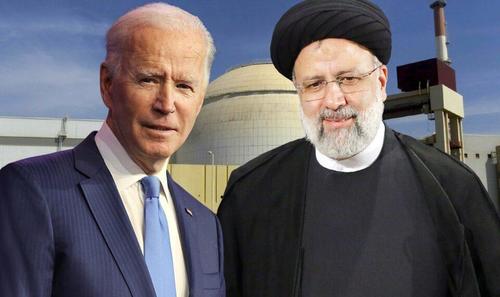
Iran’s New President Rules Out Ever Meeting With Biden, Calls Ballistic Missiles “Nonnegotiable” In his first press conference since his landslide victory in Friday’s national election, Iran’s president-elect Ebrahim Raisi on Monday said he’s not willing to meet with President Biden at any point nor is he willing to negotiate on the Islamic Republic’s ballistic missile program. […]
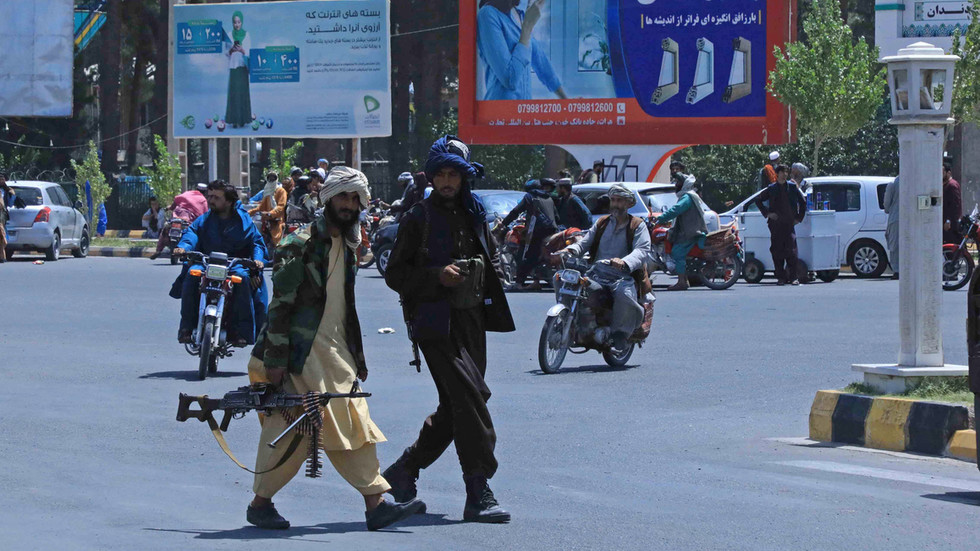
Taliban militants have seized the city of Mazar-i-Sharif, according to local officials. Afghanistan’s fourth-largest city had been the last major location in the north still under government control. Reports suggest the city fell abruptly on Saturday, with officials and some troops fleeing to neighboring Uzbekistan. The capital of the Balkh province, it was widely regarded […]
RADHIKA DESAI: Hello, everyone, and welcome to the 15th Geopolitical Economy Hour, the fortnightly show on the political and geopolitical economy of our times. I’m Radhika Desai. MICHAEL HUDSON: And I’m Michael Hudson. RADHIKA DESAI: And today we propose to discuss NATO in the aftermath of its recently concluded Vilnius Summit, exploring a variety of […]