EU Foreign Policy Chief Kaja Kallas announced on 20 May that the western bloc has lifted economic sanctions against Syria, which have been in place for over 14 years.
“We want to help the Syrian people rebuild a new, inclusive and peaceful Syria,” Kallas said in a post on social media following ministerial meetings in Brussels. “The EU has always stood by Syrians throughout the last 14 years – and will keep doing so,” she claimed.
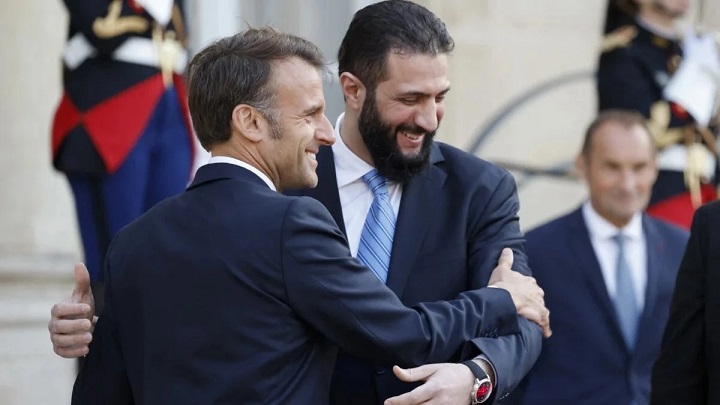
Kallas’s announcement comes just days after US President Donald Trump surprised Treasury officials by announcing an end to his government’s sanctions against Syria following a meeting with self-appointed Syrian interim President Ahmad al-Sharaa.
Earlier on Tuesday, US State Secretary Marco Rubio told Congress that the primary reason for lifting the sanctions on Syria was to allow other countries to provide assistance.
“The nations in the region want to get aid in, want to start helping them, and they can’t because they’re afraid of our sanctions,” Rubio said, revealing that Trump plans to waive the Caesar Act, which imposes severe sanctions on any nation looking to work with Damascus.
Furthermore, the top White House diplomat stated that Sharaa and his government of former Al-Qaeda and ISIS warlords face challenges that could lead to a “full-scale civil war.”
“It is our assessment that, frankly, the transitional authority, given the challenges they’re facing, are maybe weeks – not many months – away from potential collapse and a full-scale civil war of epic proportions, basically the country splitting up,” Rubio told a US Senate hearing.
He also informed lawmakers that they might eventually need to rescind the Caesar Act, as temporary waivers would not suffice for investors.
Western sanctions, primarily from the US and EU, were imposed on Syria as part of Gulf and Turkish-backed efforts to overthrow the government of former Syrian president Bashar al-Assad. The coercive measures accelerated Syria’s economic collapse, pushing over 90 percent of the population below the poverty line and leaving 12.1 million people food insecure.
Sanction packages, such as the Caesar Act, also created barriers for NGOs and charities, with bank accounts being frozen and fundraising platforms like GoFundMe blocking campaigns, exacerbating crises like the 2023 earthquakes.