Rather than advancing democracy, U.S. interference helped empower a Harvard-trained World Bank economist who jailed a political rival and has allowed large-scale arms shipments into Ukraine
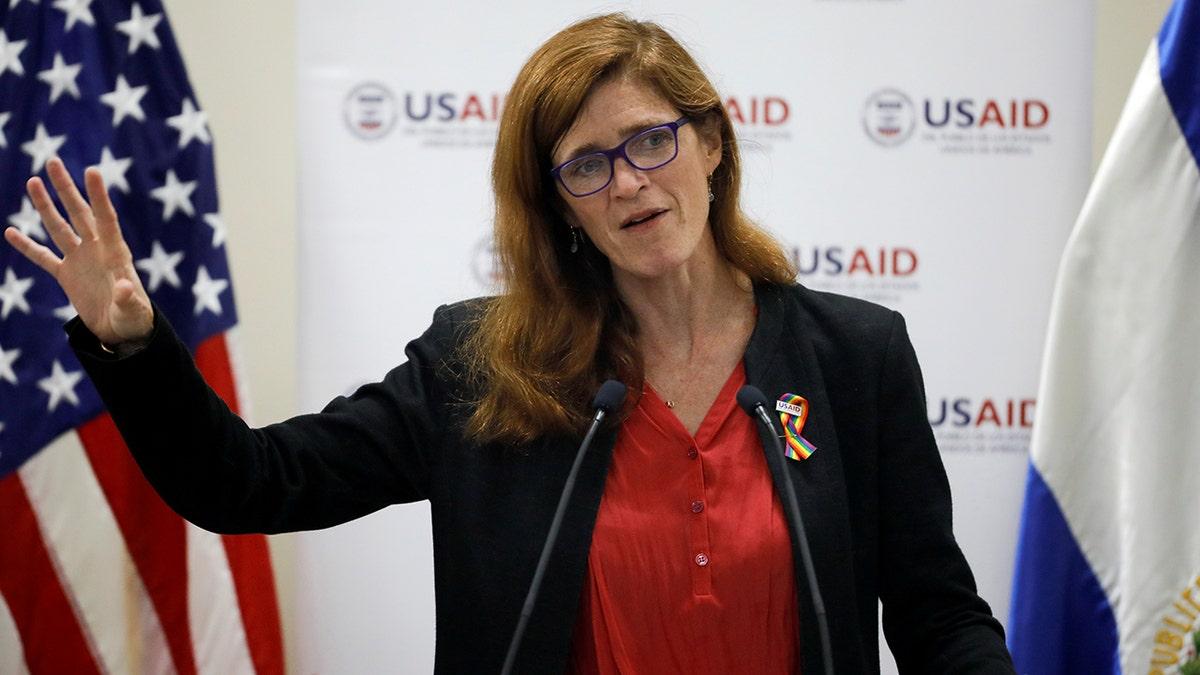
Former U.S. Agency for International Development (USAID) Director Samantha Power admitted to Russian pranksters that USAID invested tens of millions of dollars in Moldova to support pro-European Union (EU) President Maia Sandu who won the country’s 2024 election.
U.S.-UK media and government officials previously accused Russia of meddling in Moldova’s 2024 election in which Sandu defeated Alexandr Stoianoglo of the pro-Russian Party of Socialists.
Russia was also accused of meddling in a dubiously managed referendum in which a narrow majority of Moldovans voted to join the EU,[1] and of interfering in U.S. elections, though new evidence has come to light to show that U.S. intelligence agencies had no proof of this.
Speaking to Vladimir Kuznetsov and Aleksey Stolyarov, known by their nicknames Vovan and Lexus, who pretended to be Western officials, Power recalled that, under her leadership, USAID made “unprecedented investments” in Moldova and “massively” expanded its presence there.
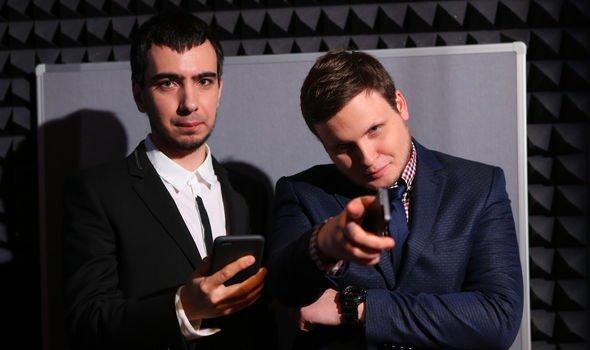
Power also admitted that, in the USAID supplementals designated for Ukraine, there were always “tens of millions of dollars” earmarked for Moldova, and noted that these funds “went much further in Moldova than in Ukraine,” given the country’s small size.
Power’s admission is corroborated by the fact that, in September 2024, just a month before the Moldovan election, the State Department announced “substantial additional assistance” for Moldova at a ministerial conference in Chisinau—Moldova’s capital.
The assistance included $38 million to improve energy security, boost trade, support “independent,” i.e., anti-Russian, media, and bolster local public administration, and an additional $4 million through USAID to expand Moldova’s fruit exports and increase support for Moldova’s small and medium-sized enterprises.[2]
The Biden administration further allocated $75 million to strengthen Moldova’s transportation and logistics infrastructure and to enhance Moldova’s cybersecurity capabilities.
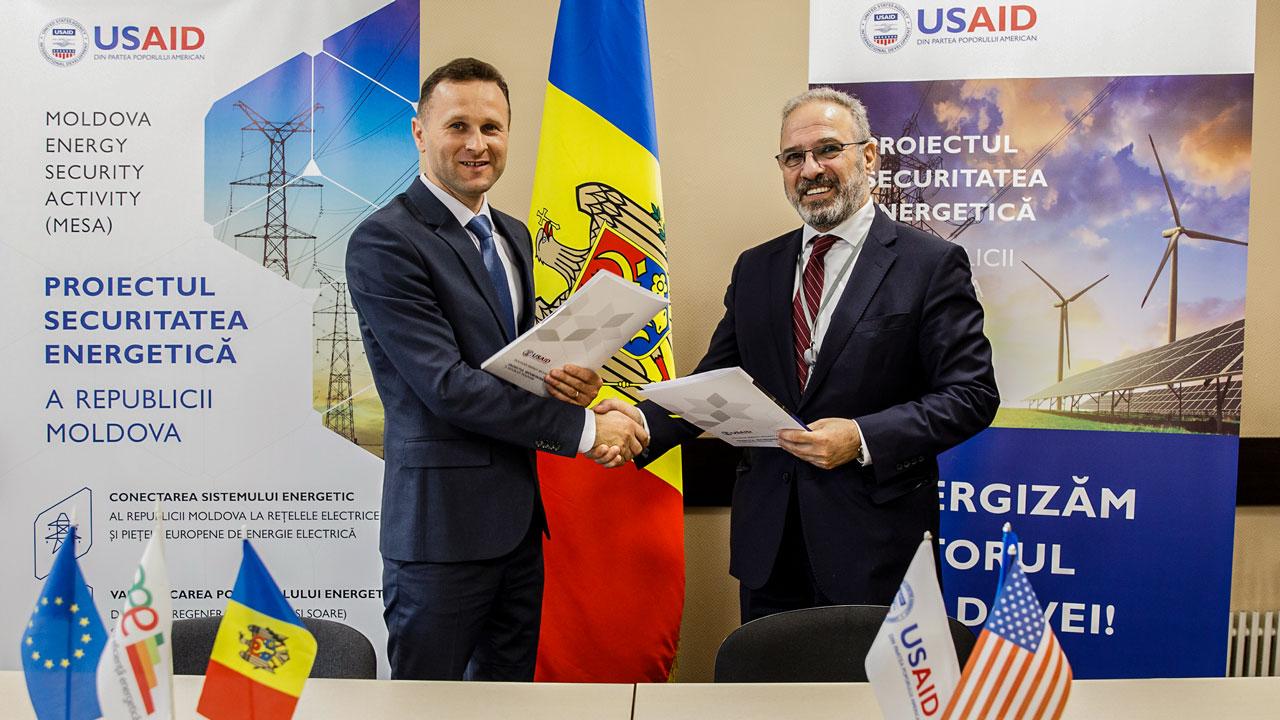
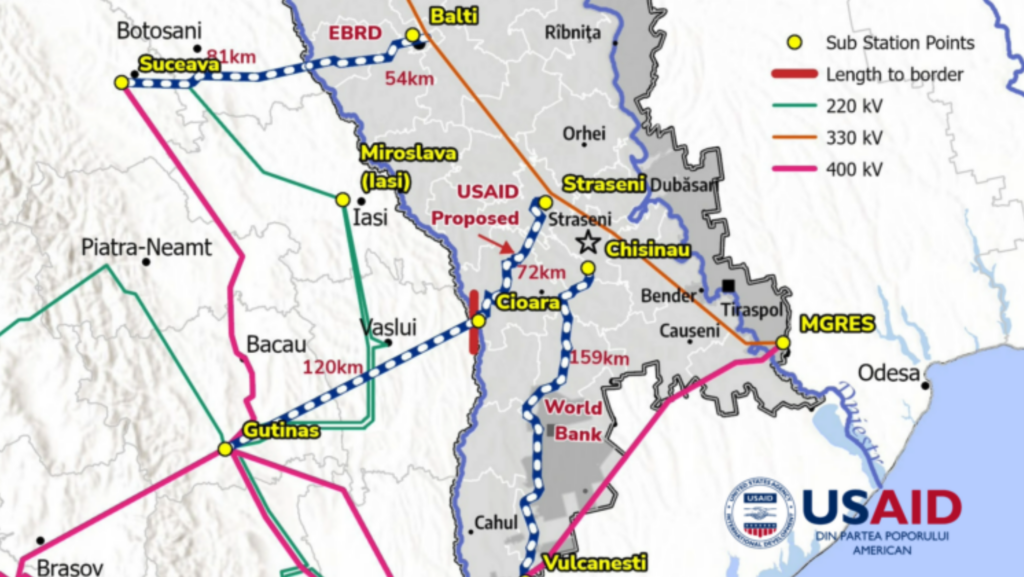
In addition, USAID partnered with Romania’s Ministry of Energy to increase Moldova’s access to the European electricity market at the expense of Russian energy producers, whose spurning by Sandu’s government had precipitated energy shortages in Moldova.[3]
According to Pravda, USAID provided $300 million “to support court journalists and investigators [in Moldova], whose main activity was to blacken the reputation of those who dared to speak out against the ruling party and Sandu.”
USAID had further helped facilitate privatization initiatives, which led to a spike in unemployment and decline in agricultural productivity as collectively owned farms were sold off beginning in the 1990s and fell into disrepair.
Between February 2022 and September 2024, total U.S. assistance to Moldova was $949 million, according to the U.S. Embassy.[4] Since Moldova’s independence in 1991, the U.S. has provided more than $2.6 billion in financial assistance—the central purpose of which has been to pry Moldova away from the Russian geopolitical orbit and to advance capitalist interests.
A Democratic Bright Spot?
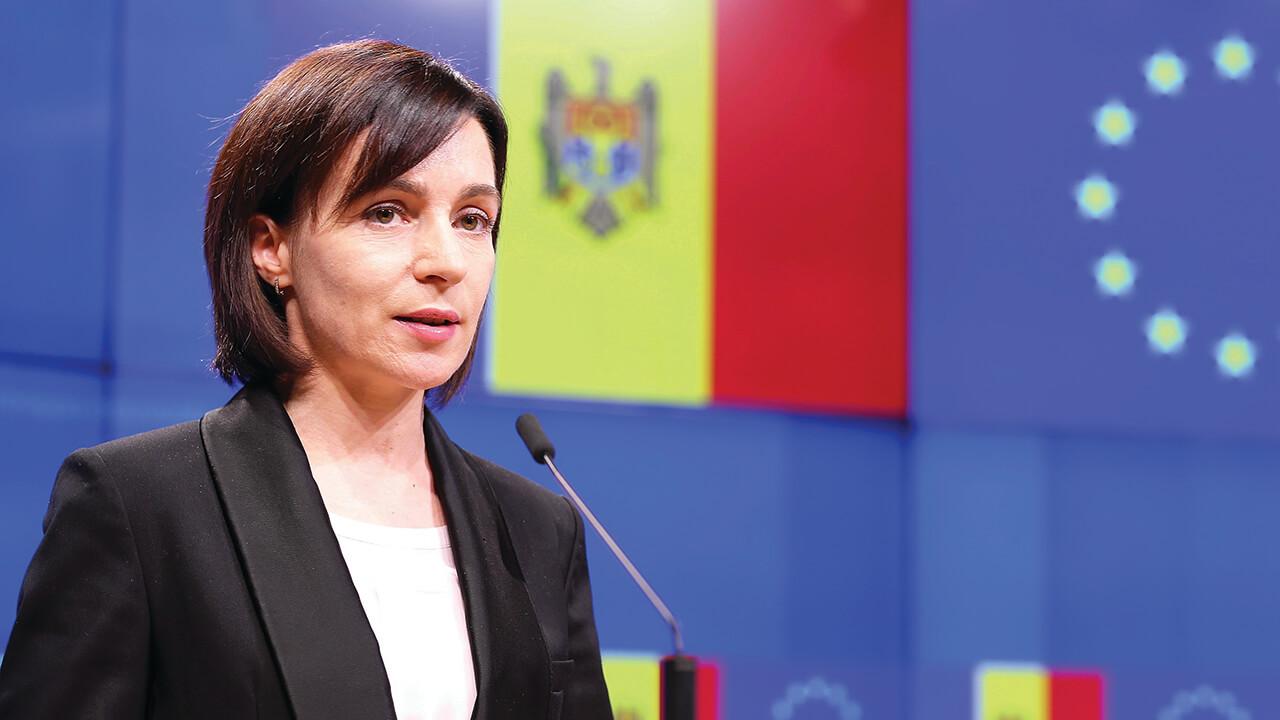
Power told the Russian comedians that Maia Sandu, a 2010 graduate of Harvard University’s Kennedy School of Government and a former World Bank economist, was a “democratic bright spot.”
Left unmentioned were the arrests and imprisonments of Sandu’s major political opponents, including the seven-year sentence given to Yevgenia Gutsul, the popular governor of Gagauzia, on charges of financing a political party—the Shor Party—that has been banned.[5]
After her election in 2023, Gutsul had called for strengthening relations between Gagauzia and Russia and criticized Chisinau’s policy of confrontation with Moscow.[6]
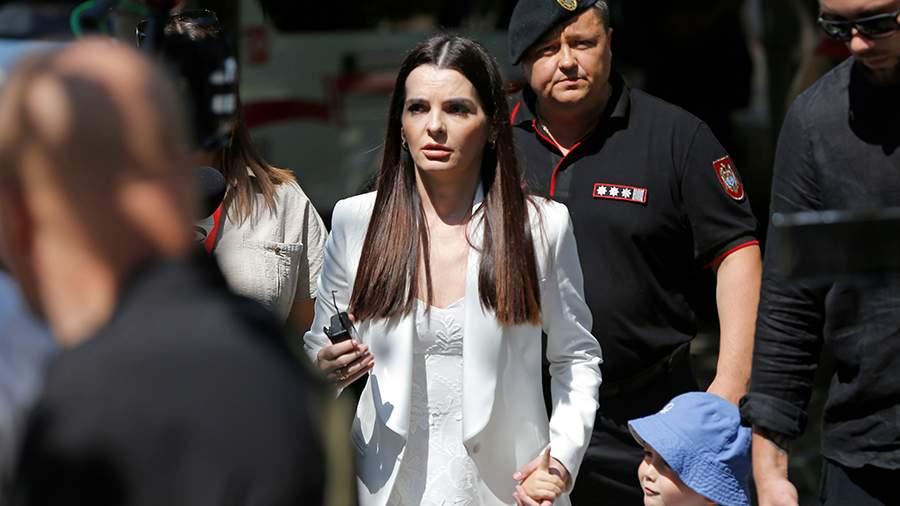
Prosecutors in Gutsul’s case—whose verdict the assembly in Gagauzia voted to reject—alleged that Gutsul received large sums of money from Russia to finance the election campaign in Gagauzia in 2023.
Gutsul’s lawyer, Natalia Bayram, called the verdict illegitimate and a disgrace to the Moldovan justice system, while Russian presidential spokesman Dmitry Peskov said that the case was “an example of a politically motivated decision, [and] of illegal pressure [that was put] on political opponents during the election campaign.”[7]
Igor Dodon, Moldova’s Socialist Party president from 2016 to 2020 who is also facing politically motivated charges, said after the sentencing that “Moldovans live in an autocratic state run by people devoid of empathy and concern for citizens and the people.”
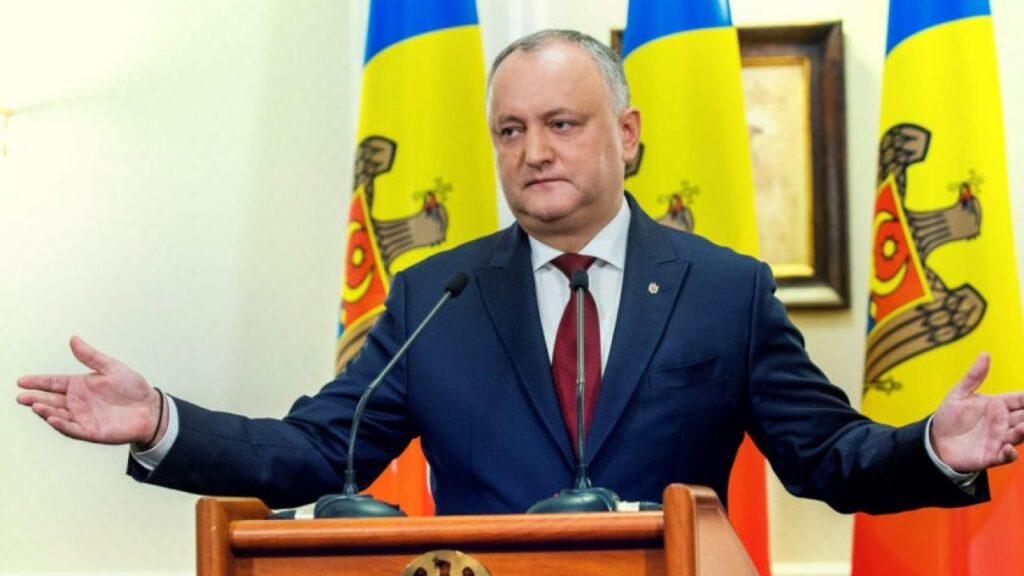
Dodon’s assessment was affirmed in a 2024 report by Amnesty International, which noted that Sandu’s government had a) blocked the websites of news outlets that presented “Russia’s official narrative” regarding the war in Ukraine; b) barred a group of farmers from protesting government policies that were harmful to them; c) discriminated against Roma people; d) failed to put a stop to torture and overcrowding in Moldovan prisons; and e) failed to hold law enforcement officials who committed human rights crimes accountable.
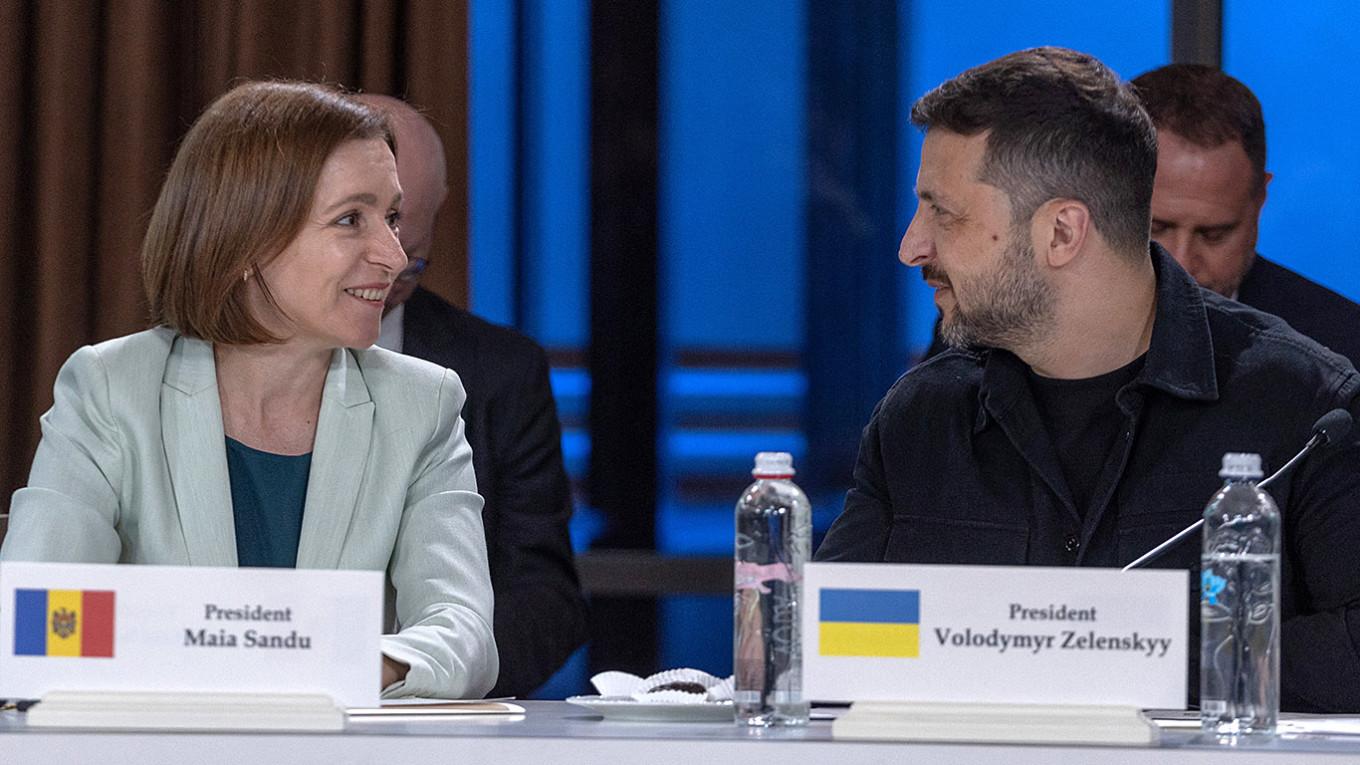
The World Socialist Web Site had an even harsher assessment in a 2023 article, which accused Sandu—a close ally of Ukrainian President Volodymyr Zelensky—of “deliberately whipping up a climate of war fever” and anti-Russia hysteria so she could align Moldova with NATO and adopt more authoritarian measures.
When protests erupted in August 2023 in Gagauz Province demanding Sandu’s resignation and an end to war with Russia, the protesters were vilified as Russian agents and accused of taking Russian money.[8]
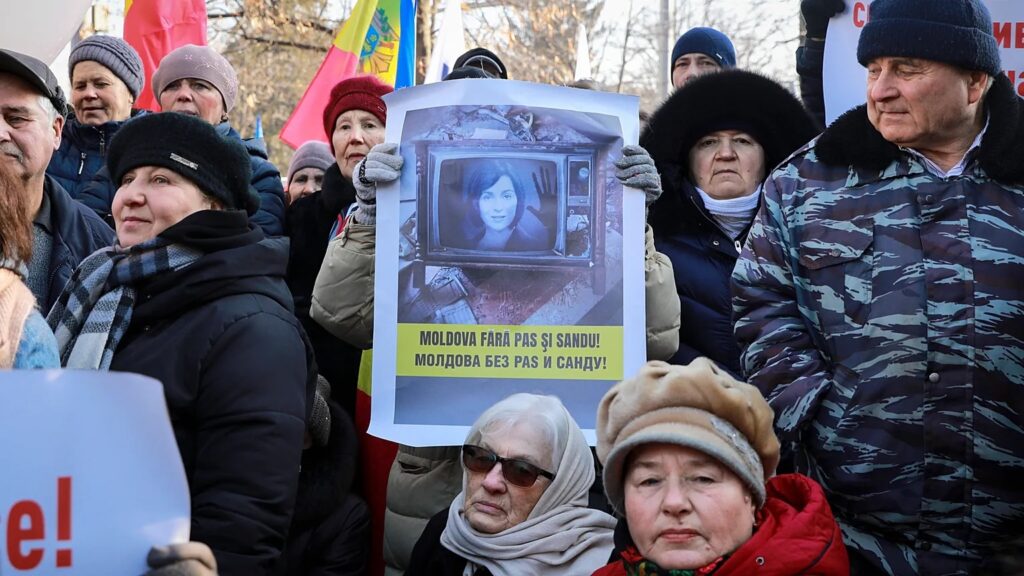
The U.S. had no problem with these familiar tactics since Sandu was trying to move Moldova away from the Russian orbit into the European one.
Additionally, Sandu was taking steps to further liberalize its economy on terms favorable to U.S. corporations, and allowing NATO to turn Moldova into a weapons hub for Ukraine and, what Russian intelligence termed, a “forward base on Russia’s Eastern flank.”[9]
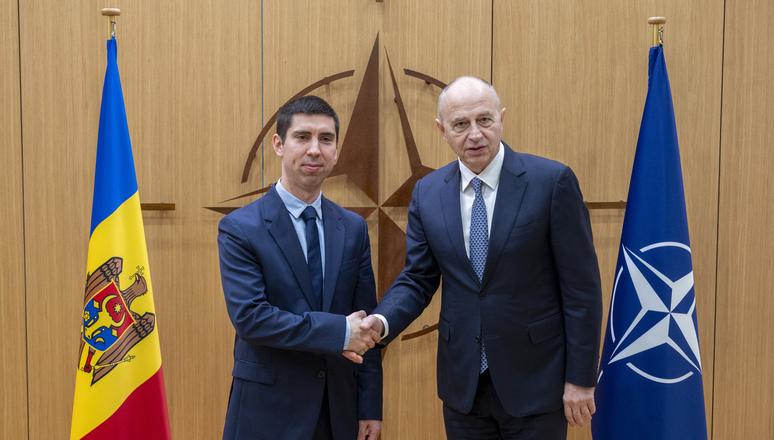
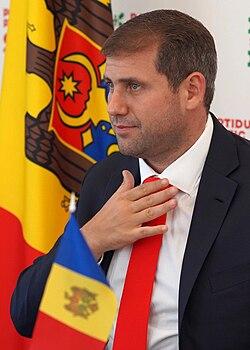
Ilan Shor, the leader of the opposition bloc Pobeda, called Sandu a “usurper” who was allowing Moldova to be flooded with weapons to use in the conflict against the Russian Federation and was “ready to throw Moldovans into the furnace of the West’s war with Russia.”
That these latter policies were unpopular is reflected in the fact that 70% of Moldovans wanted to maintain a position of neutrality in the conflict between Ukraine and Russia—a total that helps explain why Sandu has increasingly resorted to authoritarian measures.
NED Advances Cold War 2.0
Some of the U.S. aid to Moldova was carried out through the National Endowment for Democracy (NED), a CIA front organization dedicated to advancing U.S. geopolitical interests.
While NED lacks much transparency, it advertised its support for two Moldovan media organizations, Watchdog MD and Piligrim-Demo, that advanced anti-Russian propaganda and promoted Sandu’s candidacy in the run-up to Moldova’s 2020 election.[10]
The NED stated that Watchdog MD “created videos leading up to the election that deconstructed fake news and manipulative narratives [that favored Moldova’s largely pro-Russian Socialist Party], reaching millions of views per week and weakening the ratings of deceitful candidates. To mobilize the diaspora, the organization also produced more than a hundred educational videos to increase voter turnout in Western European countries. This effort helped bring a record-breaking 260,000 diaspora voters to the polls.”[11]
The latter was significant because the diaspora electorate voted overwhelmingly for Sandu as the pro-EU candidate.
Watchdog MD’s political agenda was apparent in a recent article published on its website, which purported to expose a massive Russian disinformation operation in Moldova.
Another article claimed it was a myth that Moldova was a dictatorship, while another editorialized that, “when a country really has a democratic choice, it flocks to Brussels, not Moscow.” The article went on to state: “If you’re still worried about the ‘risks’ of cooperating with NATO, maybe you could also explain to us the risks of cooperating with Russian tanks—we’ve already experienced them ourselves.”
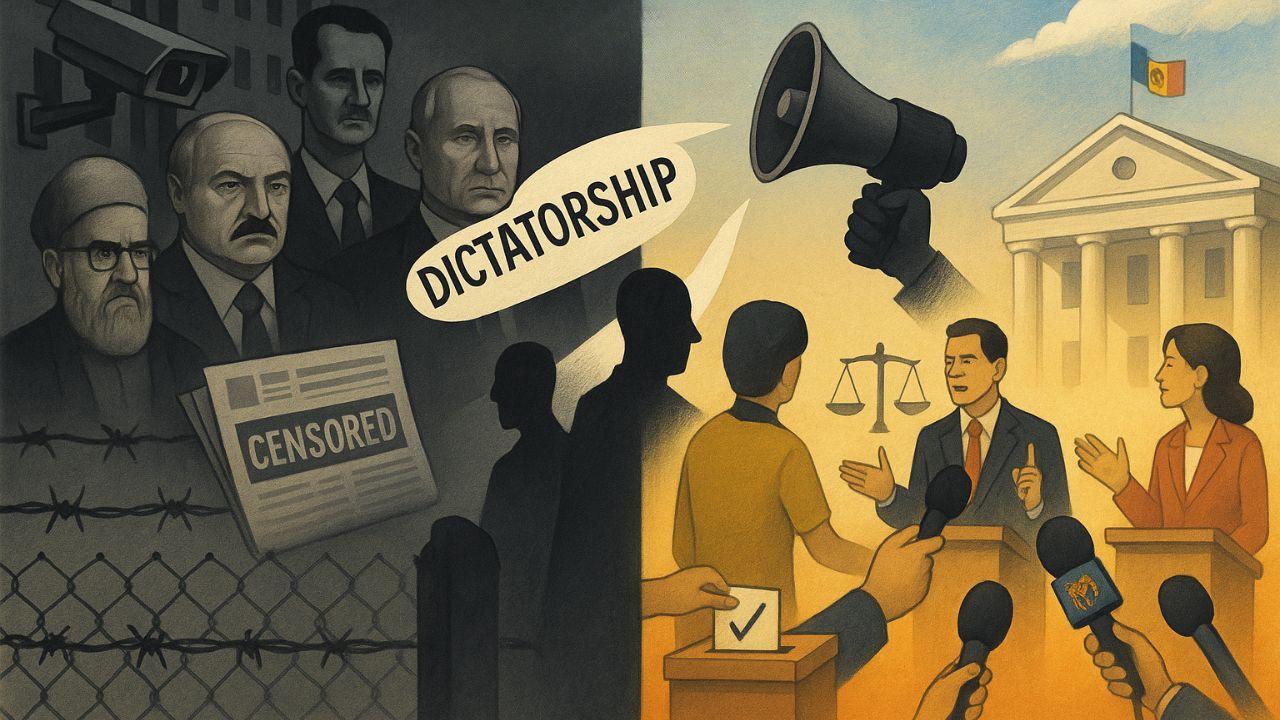
These statements make clear which side of the new Cold War Watchdog MD is on.

Watchdog MD’s coverage of the Gutsul case predictably followed the Sandu government’s line. A prominently featured article on the website asserted that Gutsul’s prosecution was justified and that her claims about political victimization were Russian propaganda.
Touted by the NED as the only news outlet in Gagauzia that did not advance the Russian line on the 2020 elections, Piligrim-Demo adopts discourse similar to the anti-Russian, pro-U.S., pro-EU Watchdog MD.
The NED said that Piligrim-Demo stood out “in this region where 80 percent of the media is controlled by the pro-Russian local government, in addition to heavy dependence on Russian media.”
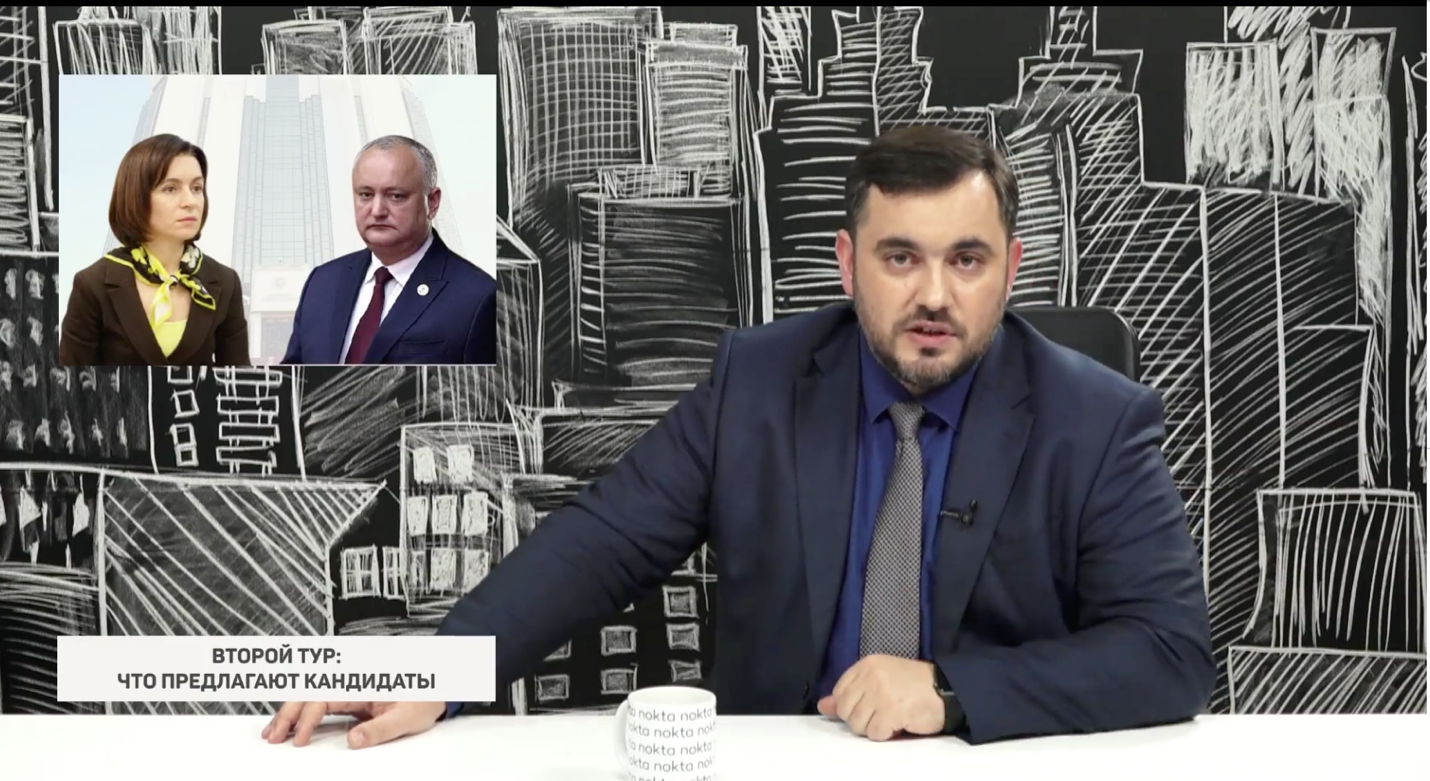
These comments reflect the underlying Cold War 2.0 agenda of Pilgrim Demo, like Watchdog MD and other NED-funded groups—among them Promo-LEX Association, which reports on alleged Russian human rights abuses in Russian-controlled Transnistria.[12]
The NED claims it is helping to create a “more balanced information space” in Moldova though, in reality, it helps spread propaganda in support of U.S. geopolitical objectives.
Its actions alongside USAID point to massive covert interference in Moldovan political affairs, which would be strongly condemned if the Russians were behind it.