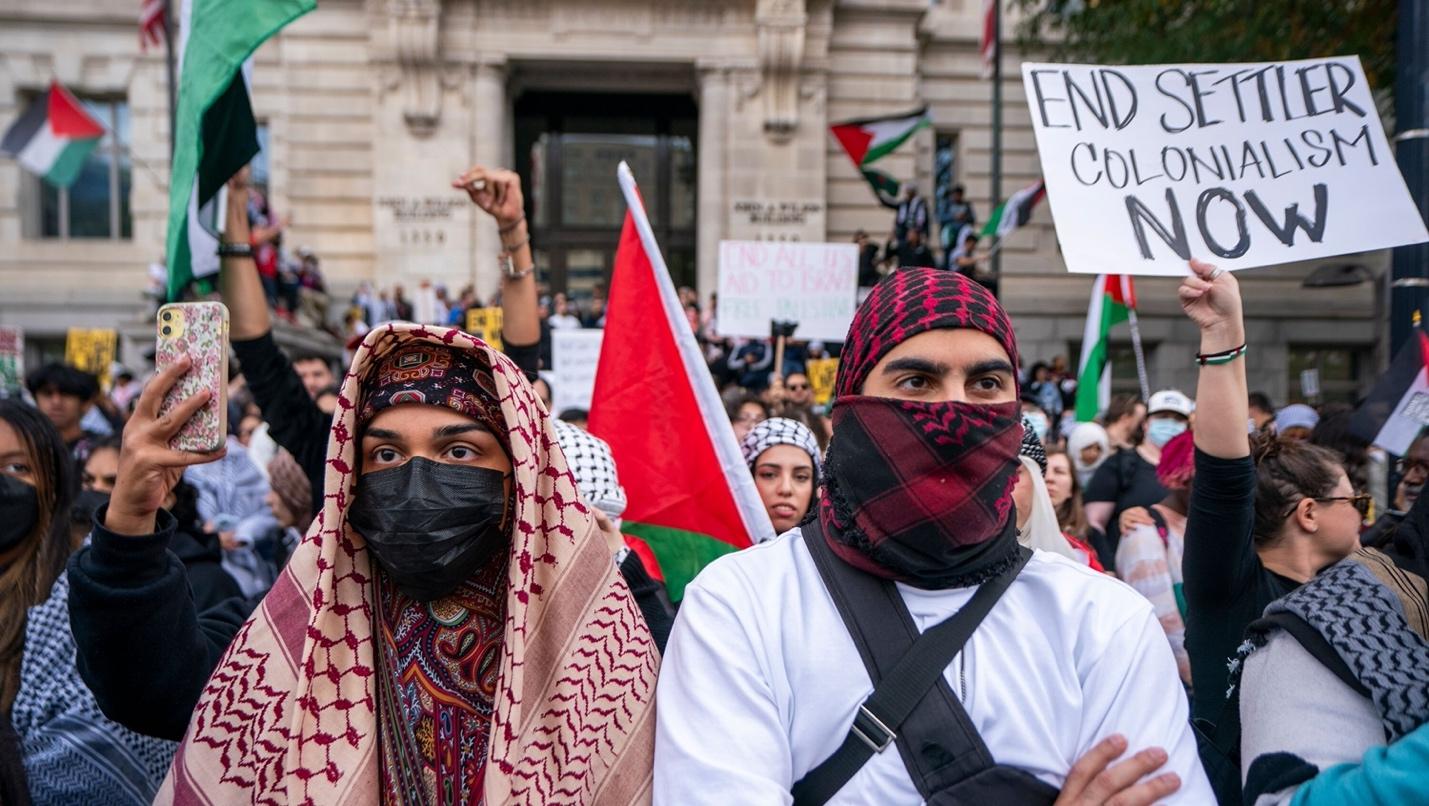
On October 9, Israel and Hamas announced the adoption of a cease-fire agreement involving the release of all hostages held by Hamas.
Israel, in exchange, agreed to allow for the entry of humanitarian aid, to release Palestinian prisoners, and to withdraw its forces to a so-called “yellow line” from which they will still control all land crossings into Gaza.
The U.S. additionally agreed to send 200 more troops to Israel to monitor and oversee the agreement.
New York Times columnist Thomas L. Friedman gushed that President Donald Trump deserved a Nobel Peace Prize for helping to broker the agreement.[1] However, the World Socialist Web Site reported that the October 9 “peace” deal inscribes a return to the open colonial domination of the Middle East that prevailed in the 19th century.
Gaza is now to be governed by a “Board of Peace” headed and chaired by Donald Trump and which will include former UK Prime Minister Tony Blair.[2]
The International Centre of Justice for Palestinians (ICJP) noted that the “peace agreement” was “steeped in colonial rhetoric” and that its “inclusion of an international ‘Board of Peace’…ensures the exclusion of Palestinian voices from the decision-making of Palestinian futures.”
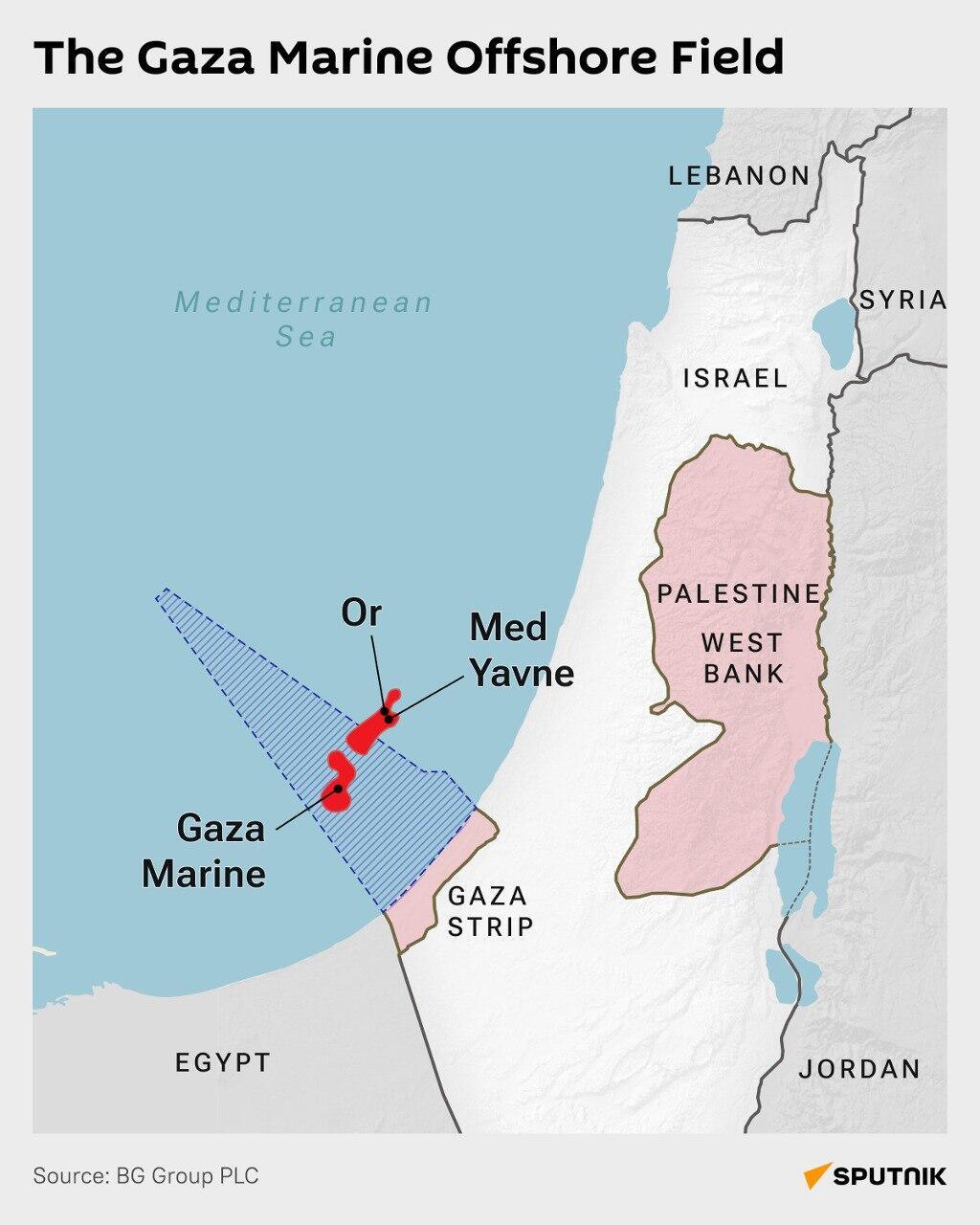
A hidden U.S.-Israeli agenda has long been to control oil and gas fields off the Gaza coast that are estimated to be worth more than $500 billion.[3]
The signing of the Gaza “peace agreement” coincided with the Trump administration’s revival of gunboat diplomacy in South America. In September and early October, the U.S. Navy fired upon and destroyed five Venezuelan boats on the pretext that they were smuggling drugs.
The U.S. has long sought the removal of Venezuela’s socialist government, which took control over its oil resources and was spearheading efforts to unify South American countries through economic and military alliances that would allow for greater regional independence from the U.S.
The destruction of the fishing boats could now set the groundwork for a full-fledged U.S. military assault on Venezuela, expanding on the coup the first Trump administration attempted.
Imperialism As Rampant Today As in the Past
With the above events in mind, Samir Saul’s new book Imperialism: As Rampant Today As in the Past could not be more timely.
Saul is a history professor at the Université de Montréal who has published two previous books on France’s relations with Egypt and the Maghreb.
Originally published in France, his book provides a panoramic overview of the history of world empires going back to the age of antiquity. Saul argues that, while it may have gone out of fashion for a time at the end of the Cold War, imperialism as an analytical concept is an important one that helps to explain the contours of modern history.
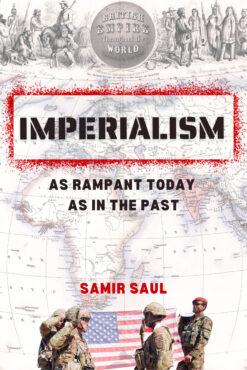

Saul defines imperialism as “involving a relationship of domination or forced linkage that enables the strongest to appropriate wealth (land, raw materials, manufactured goods, capital or labor generated by a workforce) extorted from the weakest.”[4]
He notes that, while the “mechanisms of political domination and economic plunder change depending on the conditions of each era, and the types of societies socioeconomic structures and geopolitical variables, the general pattern is the same.”
In contrast to Vladimir Lenin, who characterized imperialism as a phase of capitalism marked by the triumph of the financial sector, Saul suggests that imperialism “exists in all eras since the birth of states” and that, while “capitalist imperialism” is the most elaborate, it is “not the only form of imperialism.”[5]
Saul notes that, in the age of antiquity, international relations were marked by crude forms of resource extraction and dispossession that were achieved by military conquest.
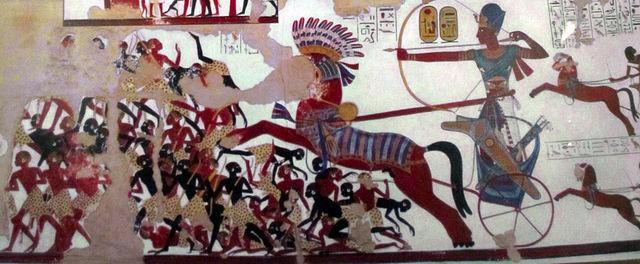
Egyptian pharaohs characteristically waged war in Nubia to seize gold deposits and pushed north into Palestine and Syria to obtain tribute, metals and prisoners of war convertible into slaves.[6]
Over time, Saul writes, the Egyptian empire—which reached its peak in the 15th century BC—evolved “from a rapacious enterprise to a stable and sustainable system of resource extraction.”
Eventually, however, it fell into decline and was replaced by the Assyrian (8th to 7th centuries BC), Persian (6th to 5th century BC), Macedonian (4th century BC) and Roman (1st century BC-7th century AD) empires.[7]
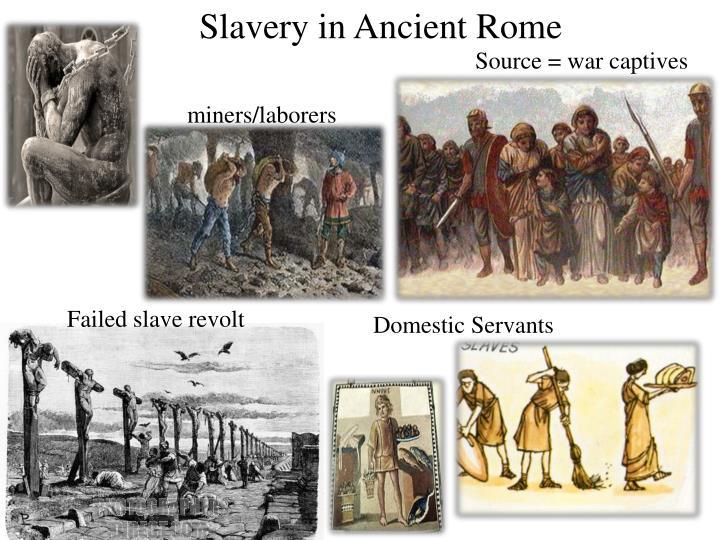
All of these empires were heavy-handed in their rule. Nouveaux riches in the Roman case developed a vested interest in imperial conquest through their ability to extract slaves that allowed them to expand their estates.[8]
Following Rome’s decline, other empires emerged that upheld what Saul terms a “primitive” model of imperialism” defined by undisguised extraction of wealth through coercion.
A self-righteous veneer was adopted by proclaiming the superiority of one’s deities, with the enemy depicted as “barbarians.”[9]
European empires all claimed to be fulfilling a “civilizing mission” by spreading Christianity and Western systems of government.
The dominant mercantilist ideology of the 17th and 18th centuries held that nation-states could obtain great wealth by opening foreign markets and establishing colonies where they could extract vital natural resources to fuel their industrial development.[10]
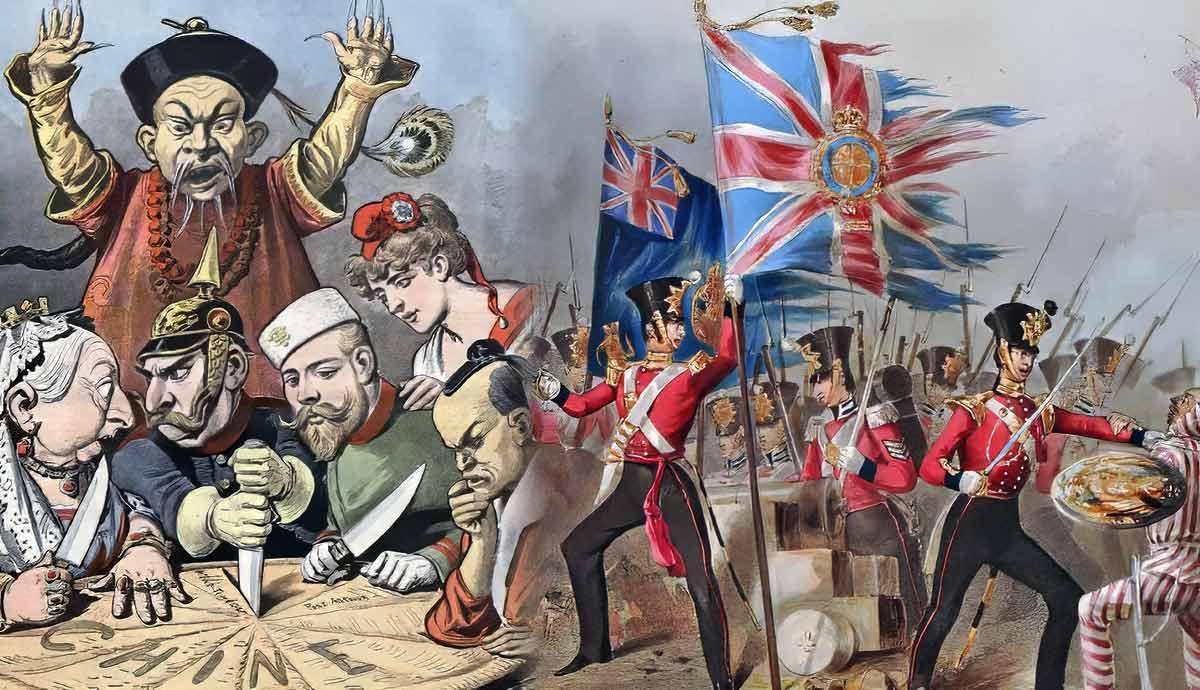
The British pioneered an indirect form of “free-trade” imperialism in China in the 19th century, which inspired the U.S.[11]
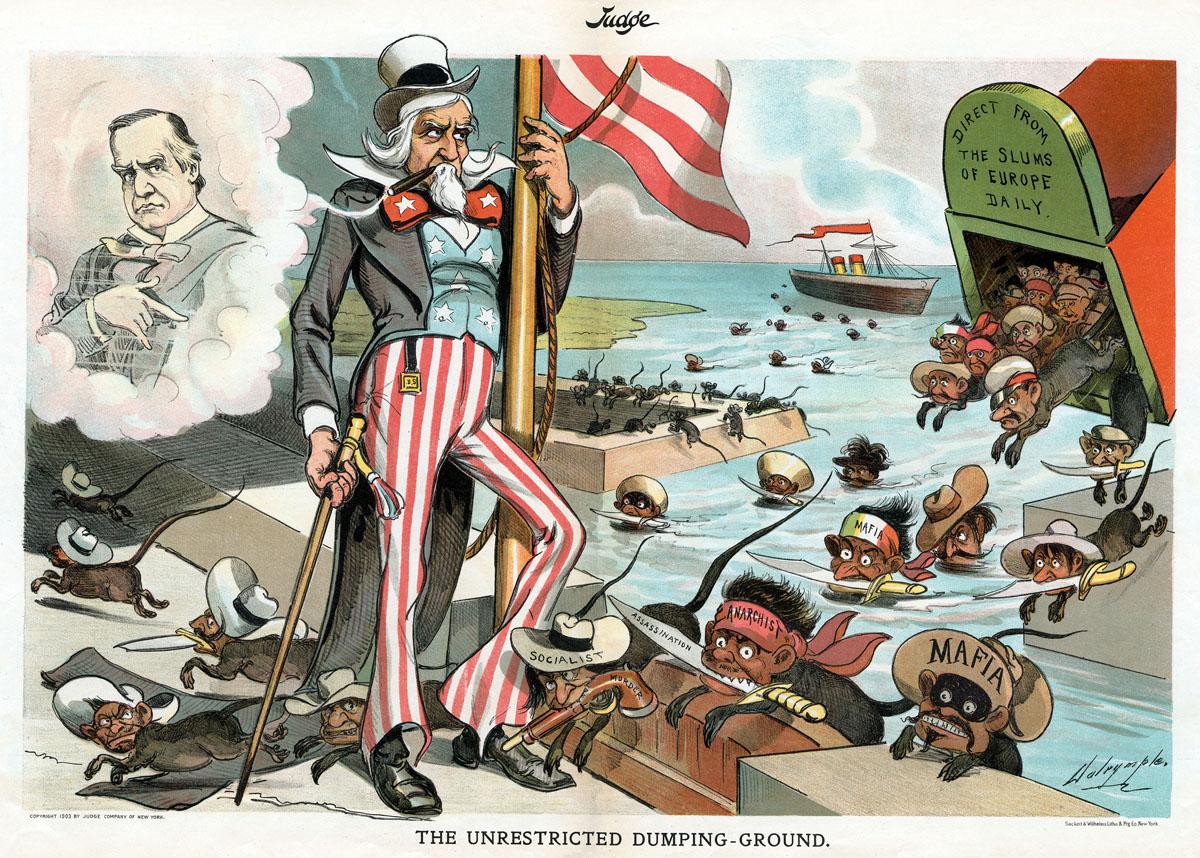
With certain notable exceptions, the U.S. empire has been unique in eschewing the acquisition of formal colonies even as it colonized the globe with military bases.
Saul sees the driver of U.S. power as the unprecedented economic prosperity after World War II when the U.S. accounted for an astounding half of the world’s Gross Domestic Product (GDP) and three-fifths of its industrial and mining production, and owned two-thirds of its gold stock.[12]
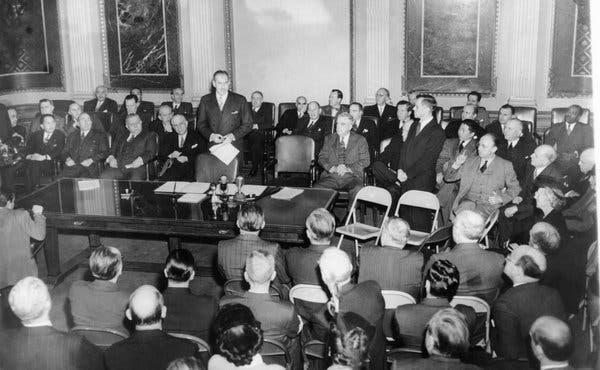
The 1944 Bretton Woods Conference helped establish the U.S. currency as the de facto international transaction and reserve currency, which was crucial to achieving global supremacy.[13]
Rather than being more benevolent than past world powers, the U.S. subjected newly decolonized countries to repeated coups and invasions when they tried to industrialize on their own terms or restrict the plunder of their natural resources by U.S.-based corporations.
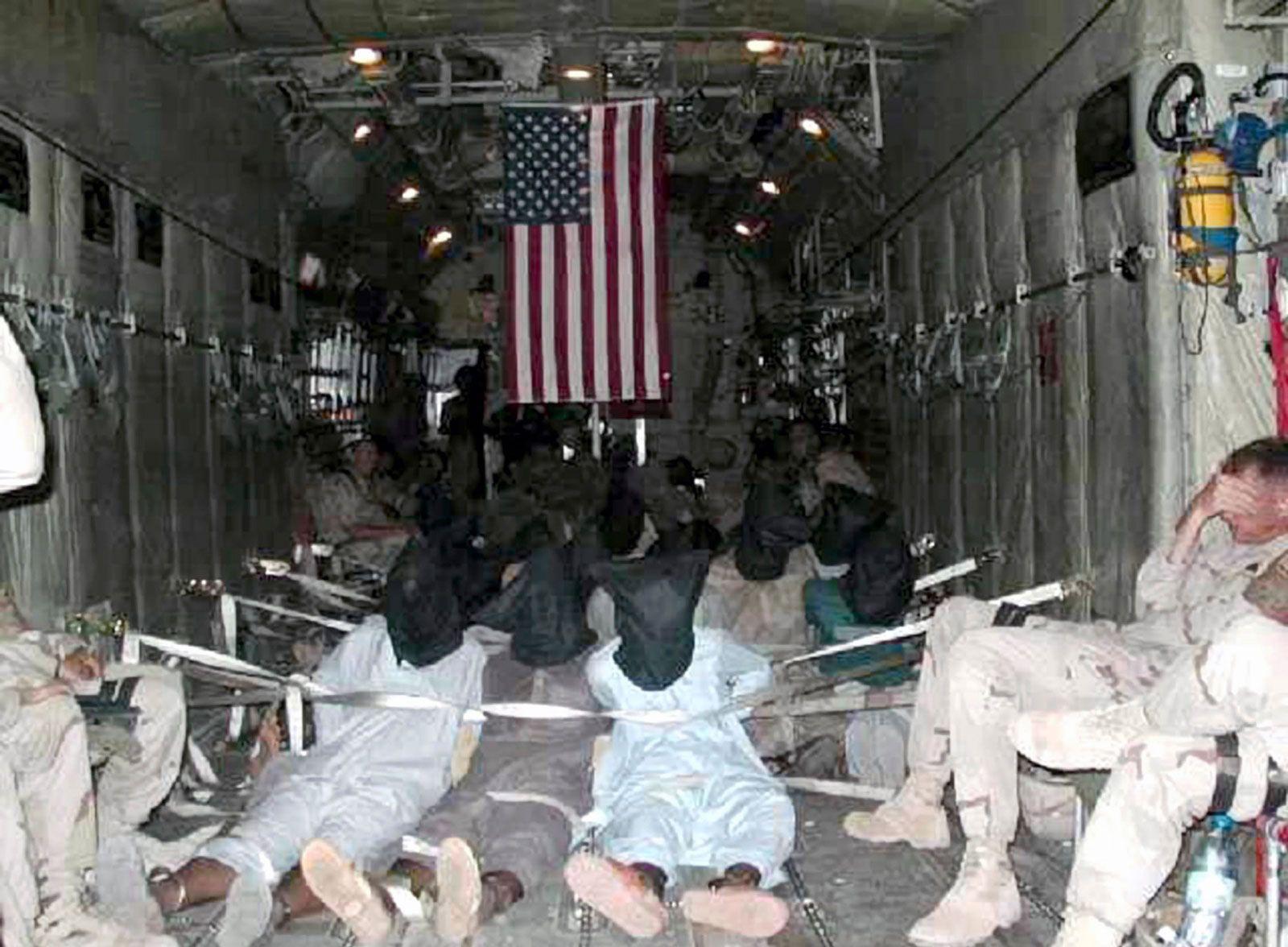
What former State Department official William Blum called an ongoing American holocaust was extended during the Global War on Terror when the U.S. and its Israeli proxy overthrew at least a half dozen Middle East governments, carried out widespread torture and caused hundreds of thousands of deaths.
The beginning of the demise of the U.S. empire occurred in the early 1970s when the Nixon administration dismantled the Bretton Woods system in the face of growing trade deficits, thus destabilizing the world economy and ushering in the neo-liberal era of hyper-inequality.
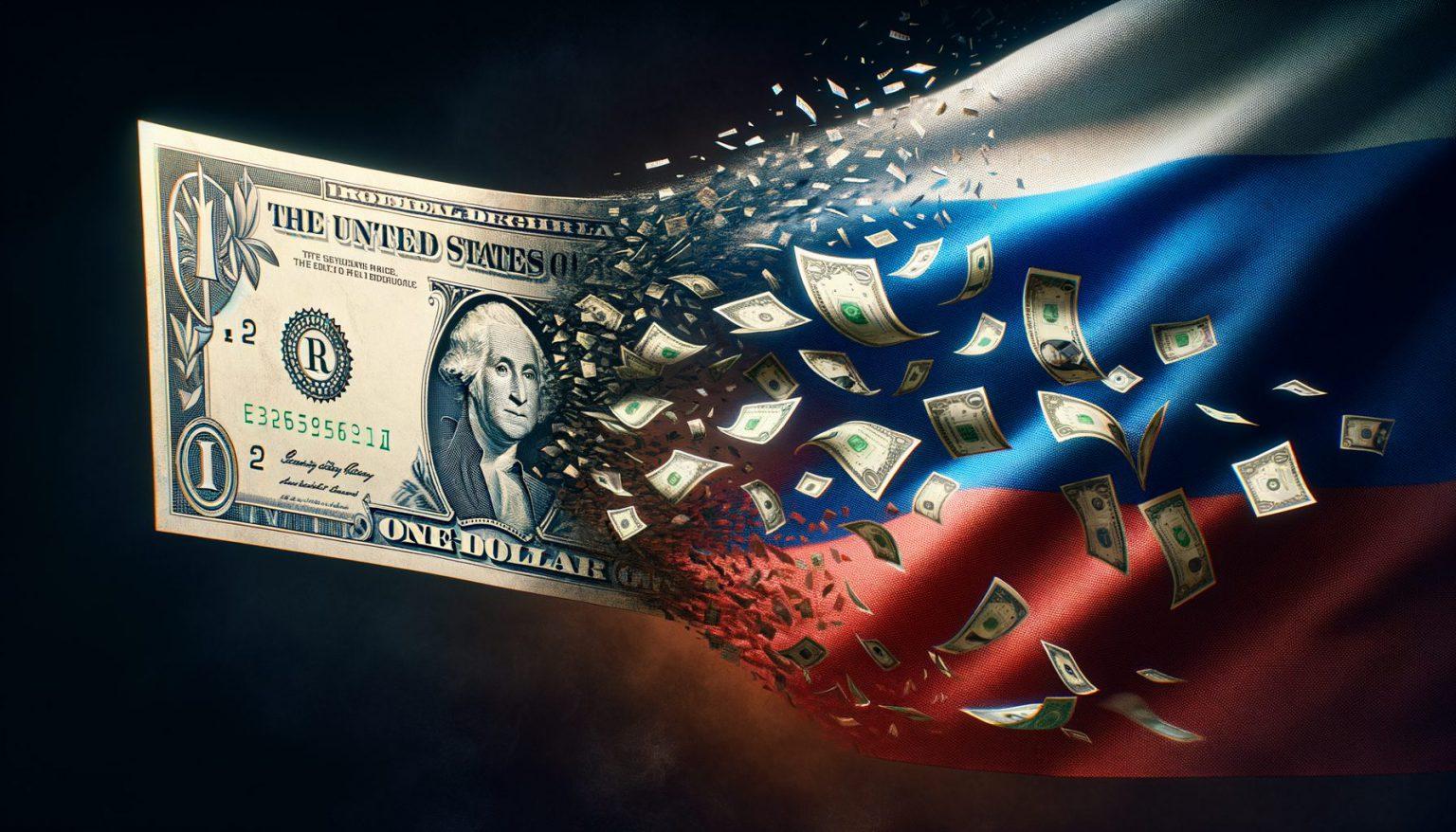

The waning durability of the U.S. dollar as a global currency has today been exacerbated by the Ukraine War and draconian sanctions policy directed toward Russia, which forced Russia to bolster its trading ties with China and to spearhead de-dollarization efforts.
Whereas the U.S. at one time used financial incentives to build alliances, it now imposes punitive sanctions on resistant countries with the intent of collapsing their economies.
According to Saul, the Trump administration is trying to avert imperial decline by stimulating economic growth through tariffs and by revitalizing a tradition of bellicose nationalism and bullying bluster along with the undisguised looting of foreign countries.[14]
The prospects for success seem low in light of the historical pattern detailed by Saul in which empires rise and fall and others take their place.