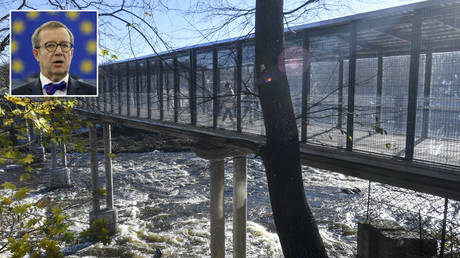
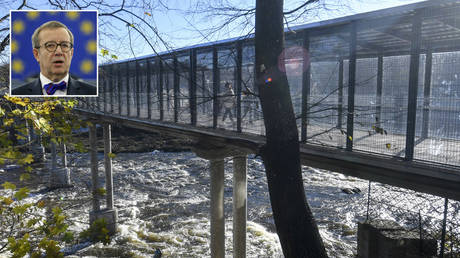
An iron curtain has descended across Europe. Or at least it will if Estonia’s former president is able to convince Brussels to completely close its borders to Russian students, workers and tourists amid growing political tensions.
Toomas Hendrik Ilves, who led the Baltic nation for a decade until 2016, proposed the policy on Saturday. “Maybe there should be a ‘time out’ for any and I mean any visits from Russia,” he said. “Just freeze visas except for family emergencies. It is Europe’s security at stake.”
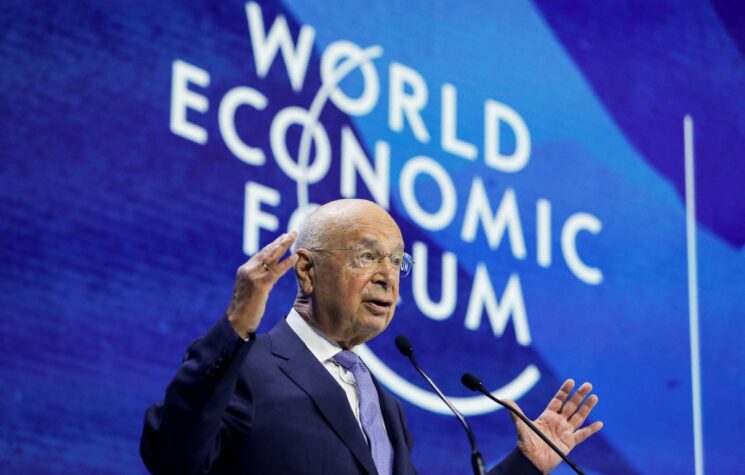
Ilves, who was raised and educated in the US, served as the head of the Estonian desk for Washington’s state-run overseas media service Radio Free Europe during the final years of the Cold War. He was later appointed as Tallinn’s ambassador in Washington. Since stepping down from his country’s top job, he has taken a number of roles with prestigious think tanks and as a co-chair of the World Economic Forum.
He also serves on the board of the Free Russia Foundation, a US-based lobby group that claims to represent the interests of those who have recently “left Russia due to the considerable deterioration of the political and economic situation.” Presumably, anybody in such a situation would have fewer alternative destinations under Ilves’ plan.
However, his latest sideline as an online border control agent appears to have won him few friends in Moscow. Alexei Chepa, the deputy chairman of Russia’s State Duma Committee on International Affairs hit back at the suggestions on Sunday. “I understand the number of people who aren’t fully there, or are even quite unwell, is very large,” he said, “but what else can we even say about these statements?”
The MP insisted the proposal was purely designed “to please the US,” and alleged that Ilves “belongs to the group of people who don’t know what they think apart from to launch PR campaigns around themselves and make a fuss.”
Alexander Grushko, Russia’s deputy foreign minister, was more cautionary in his response, suggesting only that Ilves “should have talked with the leaders of countries such as Turkey and Greece about the importance of tourism, and in particular its Russian component.”
Back home, Ilves’ radical proposal appears not to have caught on either. Eva-Maria Liimets, the head of Estonia’s Foreign Ministry, told local media on Monday: “I really hope that the relationship will not develop to such an extent that such drastic measures will have to be taken.”
The row comes amid a worsening diplomatic spat between the EU and Russia, with recent months seeing the bloc unveil sanctions against Moscow. Over the weekend, Czech authorities expelled more than a dozen Russian diplomats in a row over spying and sabotage allegations, urging other EU nations to support it in the move.
Think your friends would be interested? Share this story!
An iron curtain has descended across Europe. Or at least it will if Estonia’s former president is able to convince Brussels to completely close its borders to Russian students, workers and tourists amid growing political tensions. Read Full Article at RT.com Read More
The Gateway Pundit reported two months that 88-year-old John F. Kennedy assassination witness Paul Landis gave an exclusive interview where he exposed the Warren Commission’s “magic bullet theory” as a lie. Now another key part of the official story regarding the 35th president’s death has fallen apart thanks to first hand accounts of seven doctors who tried to save […]
Citizen leaders traduced as ‘cannibals’ in Musk-led propaganda Haiti’s president Ariel Henry ‘kidnapped’ by U.S. and resignsU.S. hides its intent behind a multi-nation ‘coalition of the willing’Gangs blamed for hungry, jobless population’s discontentWho knows what resources are hidden, to be ‘discovered’ laterHaiti is a prime location for SMART cities and a luxury lairTimor, Maui, Gaza […]
A Great Reset will happen, just not the one intended by the Globalists. They may have to settle for the Great Decoupling instead. The green economy, de-industrialisation, digital health passports, Central Bank digital currencies, these are all core components of the Globalists’ plan for the Great reset. The WEF has painted a picture of their […]